




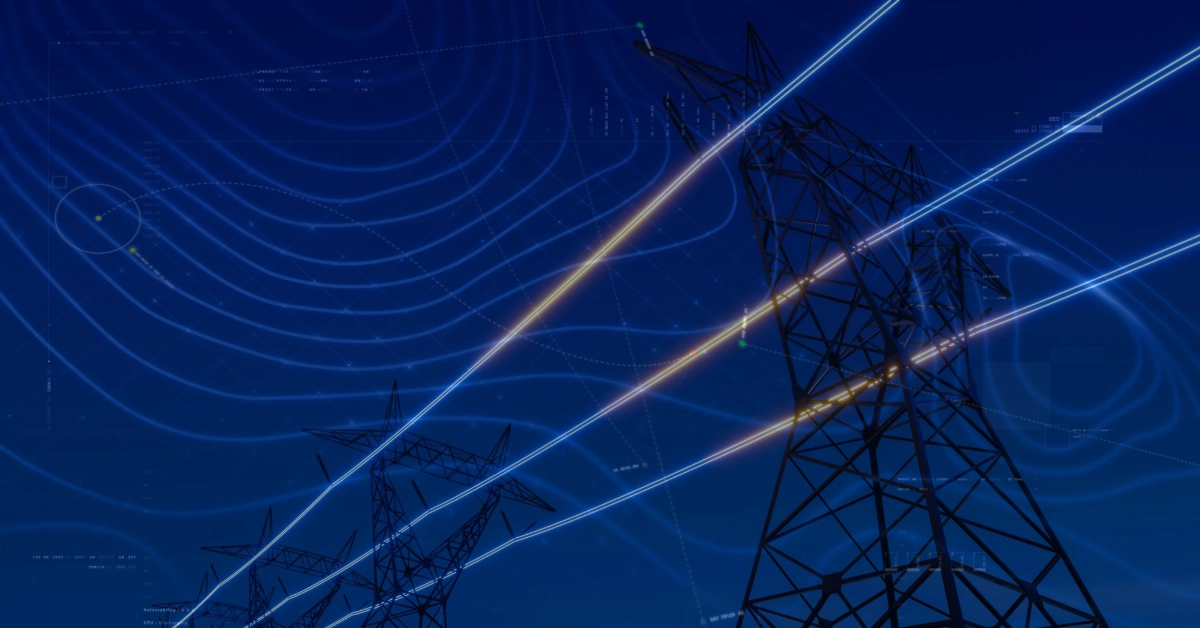
As utilities accelerate transmission investments to meet growing energy demand, project teams face increasing pressure to deliver complex infrastructure on tighter schedules and with greater certainty. Artificial intelligence (AI), including generative AI and predictive analytics, is emerging as a powerful tool in transmission development, helping organizations move beyond traditional planning methods and toward data-driven decision-making that improves constructability, reduces risk, and strengthens project outcomes.
By integrating geospatial information, engineering data, permitting requirements, environmental constraints, and construction insights into predictive digital models, AI is helping utilities and transmission developers strengthen the Plan of Development (POD) process and evaluate not only where transmission projects should be built, but how they can be delivered most effectively.
Bringing Constructability into Planning
Constructability reviews have traditionally occurred late in project development. AI now allows teams to identify constraints and opportunities earlier, supporting better routing, scheduling, and project delivery decisions before significant design investments are made.
Smarter Corridor Selection
Beyond cost and distance, AI can evaluate transmission routes based on constructability factors such as terrain, wetlands, access requirements, existing infrastructure crossings, and environmental constraints. Early insight into these challenges can help minimize redesign efforts and construction delays.
AI-Enhanced Digital Twins
Digital twins integrate GIS, LiDAR, environmental, engineering, and construction data into a virtual project environment. AI allows teams to test construction scenarios before final design, helping identify access limitations, equipment challenges, clearing requirements, and other execution risks.
Better Scheduling and Logistics
AI improves access planning, material staging, and transportation assessments while supporting predictive scheduling. By evaluating labor availability, contractor capacity, permitting dependencies, and procurement timelines, organizations can better forecast schedule risks and delivery outcomes.
Linking Permitting and Construction
AI helps align permitting requirements with construction planning by identifying restrictions and environmental commitments that may impact schedules, access methods, or equipment selection. Addressing these issues earlier can improve project readiness and reduce delays.
Portfolio-Level Planning
For utilities managing multiple projects, AI provides visibility into resource conflicts, contractor availability, permitting bottlenecks, and capital allocation decisions. This supports prioritization based on both strategic value and execution readiness.
From Static Plans to Intelligent Systems
As utility organizations continue to modernize project delivery practices, AI-supported Plans of Development are evolving beyond traditional planning documents. They are becoming living operational systems that support project planning, governance, forecasting, and execution.
Organizations adopting constructability-focused PODs are increasingly using AI to develop:
- Dynamic operational planning systems
- Predictive delivery platforms
- Constructability-aware digital twins
- Portfolio-level decision support tools
As transmission investment continues to accelerate, the question is no longer whether AI will influence project development planning, but how quickly utilities can leverage these technologies to improve constructability, increase predictability, and enhance project delivery outcomes.