





Cory St. Pierre, Program Manager
Kleinfelder Program Manager Cory St. Pierre explains how utilities can transform fragmented data into trusted asset knowledge that improves decision-making, compliance, planning, and operations.
Utility organizations have never had more information at their fingertips. Drawings, inspection reports, maintenance records, GIS data, field photographs, material documentation, and decades of institutional knowledge all contain valuable insights about critical infrastructure. Despite this abundance of information, many utilities still face a familiar challenge: finding the right information, trusting its accuracy, and using it to support timely decisions.
The reality is that data alone is not the same as knowledge.
Asset information becomes truly valuable when it helps answer practical questions.
What assets do we own? Where are they located? What condition are they in? Which records can be trusted? What information is missing? Are records traceable, verifiable, and complete enough to withstand regulatory review? Most importantly, what actions should be prioritized?
Effective asset management depends on transforming information into trusted knowledge that supports decision-making across the organization.
For many utilities, the greatest obstacle is not a lack of information but a lack of connection between systems. Critical asset data is often spread across records management platforms, GIS systems, work management applications, engineering drawings, spreadsheets, shared drives, and email archives. Over time, the same information may be duplicated in multiple locations, asset naming conventions may evolve, and systems may be used in ways they were never intended to support.
The result is a challenge many organizations know all too well: when information differs between sources, which one should be believed?
Addressing this issue requires a shift in perspective. Successful Asset Knowledge Management programs do not begin with the data itself. They begin with the decisions an organization needs to make. Once those decisions are understood, utilities can establish common asset definitions, identify authoritative systems of record, implement repeatable collection and validation processes, and apply quality controls that improve confidence in both existing and newly created information.
A phased approach often delivers the best results. By aligning stakeholders early, testing assumptions through pilot efforts, and identifying information gaps before large-scale implementation, organizations can reduce rework and ensure that data has a clear and sustainable destination.
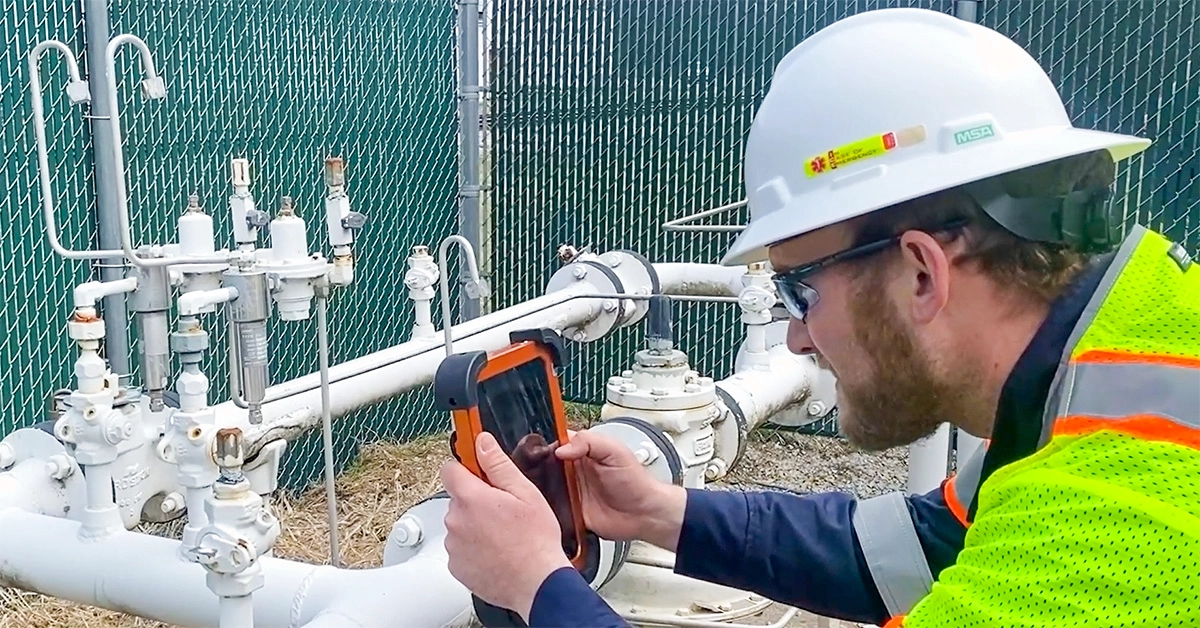
Equally important is recognizing that asset knowledge is never a one-time effort. A records cleanup project may resolve historical issues, but it does not prevent future ones. Sustainable asset knowledge requires processes that capture information as assets are designed, constructed, inspected, maintained, repaired, and eventually retired. When records, asset management, and work management processes are connected, information becomes part of the work itself rather than something that must be reconstructed years later.
Ultimately, Asset Knowledge Management is about creating a trusted foundation for action. It helps utilities identify information gaps, prioritize field verification efforts, support regulatory and operational decisions, improve maintenance and capital planning, and move from reactive research toward proactive asset management. The goal is a connected, maintainable information environment where trusted knowledge becomes easier to access and more valuable with every project.